Indigenous Mothers Matter: Rethinking Maternal Health in Tribal Communities
If you enjoy the podcast, please consider following and leaving a brief review. Your support will help us continue to fulfill our mission of bringing unique perinatal perspectives to a larger audience, so that we can all continue to lift one another up.
LISTEN ON: APPLE | SPOTIFY
Episode Notes
Maternal health outcomes for Indigenous communities are shaped by far more than clinical care. In this episode, Becky speaks with Wendell Honani Jr. about the structural realities that influence maternal health across tribal nations — including rural access barriers, healthcare infrastructure gaps, and the importance of culturally grounded care.
Wendell shares insights from his work conducting listening sessions and community engagement across tribal communities in Arizona. These conversations revealed critical gaps in access to maternal care, including long travel distances to hospitals, limited provider availability, transportation challenges, and inconsistent access to maternal education resources.
The conversation explores how solutions must extend beyond individual providers to include stronger community systems, culturally responsive messaging, and expanded roles for support professionals such as doulas. Wendell discusses emerging initiatives designed to build maternal health capacity within tribal communities, including doula training programs and emergency obstetric training for first responders in rural areas.
Together, Becky and Wendell also examine how Western healthcare systems sometimes fail to align with the realities of tribal life. Multi-generational households, cultural structures, and community-based support systems are often misunderstood or overlooked in traditional health models, creating additional barriers for families navigating pregnancy and postpartum care.
Throughout the discussion, Wendell emphasizes the importance of partnership, listening, and designing health systems that reflect the lived experiences of the communities they serve. The episode offers a powerful reminder that improving maternal health requires attention not only to medical care, but also to policy, infrastructure, and the cultural context in which families live.
Topics Discussed
Maternal health disparities affecting Indigenous communities
Access barriers in rural and tribal healthcare systems
Transportation challenges for prenatal and emergency care
The role of doulas in expanding maternal support
Building maternal health capacity within tribal communities
Training first responders for emergency births in rural areas
Cultural considerations in healthcare delivery
The impact of policy and infrastructure decisions on maternal health
The importance of community-informed public health approaches
Guest information
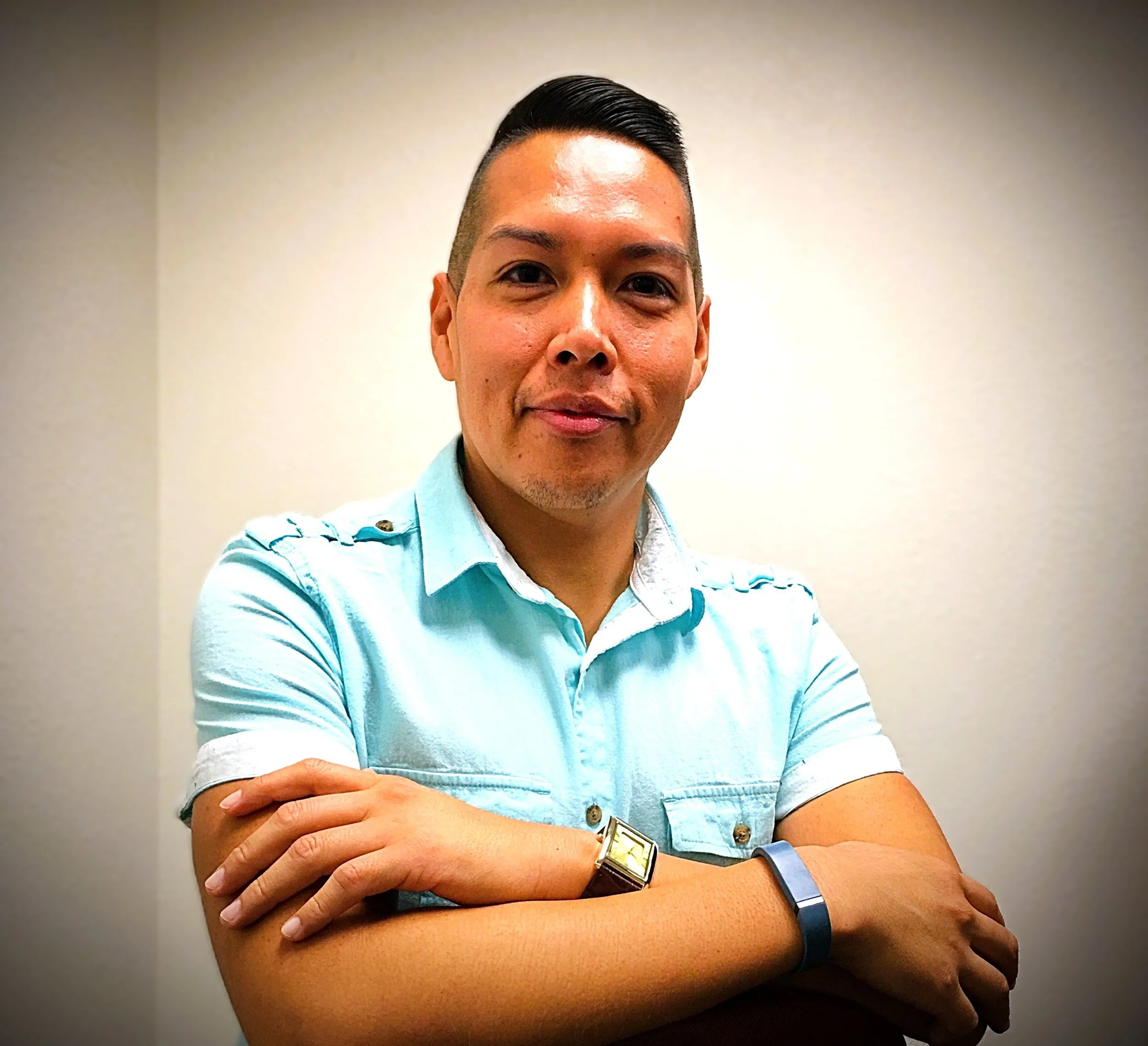
Wendell Honani Jr. is an independent operational consultant specializing in tribal public health and infrastructure. Originally from the Hopi Tribe in Northern Arizona, Wendell has worked with tribal communities across Arizona and nationally to strengthen health systems, build capacity, and support culturally responsive public health initiatives.
His work focuses on bridging operational gaps in healthcare systems serving tribal nations, including maternal health innovation, workforce training, and community-informed program design. With experience at the Inter Tribal Council of Arizona and in multiple tribal health initiatives, Wendell brings a systems-level perspective to the challenges and opportunities facing maternal health in Indigenous communities.