
Understanding Postpartum Psychosis: Signs, Treatment and Advocacy with Dr. Susan Feingold
Perinatal Psychosis (Pregnancy, Post-Loss, and Postpartum)
Postpartum Psychosis (PP), also known as Perinatal Psychosis, is a serious PMH disorder that usually has an onset in the first 2 weeks (but up to a year). Postpartum Psychosis occurs in approximately 1 to 2 out of every 1,000 deliveries.
Postpartum Psychosis is temporary and treatable with professional help, but it is an emergency, and it is essential that the perinatal individual receive immediate help. It is important to stay with the perinatal individual and the child to ensure everyone’s safety.
If you feel you or someone you know may be suffering from this illness, know that no one is at fault or to blame, and a diagnosis is not needed to reach out for help.
In an Emergency/If you suspect Postpartum Psychosis
LISTEN ON: APPLE | SPOTIFY
Episode Notes
Postpartum psychosis is a rare but serious psychiatric emergency that can develop after childbirth. It is also widely misunderstood — and because symptoms can emerge quickly or be mistaken for something less serious, recognizing what is happening can be critical.
In this episode of Perinatal & Reproductive Perspectives, Becky talks with clinical psychologist, author and advocate Dr. Susan Feingold about what postpartum psychosis actually looks like. They discuss symptoms including paranoia, delusions, hallucinations, confusion and dramatic changes in sleep or behavior, as well as the fact that postpartum psychosis can occur in people with no previous history of mental illness.
Just as importantly, this conversation offers hope. Postpartum psychosis is treatable, and Dr. Feingold explains why hospitalization and appropriate psychiatric treatment can lead to recovery. Becky and Dr. Feingold also discuss what clinicians and family members can do when something simply doesn't seem right — including asking more questions rather than dismissing unusual statements or behaviors.
The conversation also looks beyond individual treatment to the systems surrounding postpartum mental health. Drawing on Dr. Feingold's years of advocacy, they explore how postpartum psychosis is understood within the legal system, efforts to change state laws, and why greater education and awareness can help prevent tragedy.
Topics Discussed
Topics Discussed
What postpartum psychosis is: How a loss of touch with reality distinguishes postpartum psychosis from postpartum depression and other perinatal mood and anxiety disorders.
Signs that something may be wrong: Delusions, hallucinations, paranoia, unusual or disorganized behavior, rapid speech, unusually high energy and significant changes in sleep.
Why postpartum psychosis can be missed: Symptoms may wax and wane, and some people appear outwardly well even while experiencing delusional beliefs.
Postpartum psychosis without a psychiatric history: Why families and clinicians shouldn't assume that someone is not at risk simply because they have never previously experienced mental illness.
What to do in an emergency: Why suspected postpartum psychosis requires immediate psychiatric evaluation and should not simply be monitored at home.
Treatment and recovery: The role of hospitalization, medication and subsequent therapy — and Dr. Feingold's message that people can recover.
The role of clinicians: Why curiosity, careful assessment and consultation with perinatal mental health specialists can matter when symptoms are unclear.
Postpartum psychosis and the law: Dr. Feingold's advocacy for legal reforms that better recognize severe postpartum mental illness.
Prevention through education: How families, healthcare professionals, advocates and policymakers can help recognize illness earlier and connect people with appropriate treatment.
A Message of Hope
Although postpartum psychosis is a psychiatric emergency, this episode is ultimately a conversation about recognition, treatment and recovery.
As Dr. Feingold explains, “The sooner you're identified and treated, the sooner you'll get well.”
For families and practitioners, knowing the signs matters. Asking another question matters. Taking an unusual change in behavior seriously matters. And getting appropriate help quickly can make an enormous difference.
About Dr. Susan Feingold
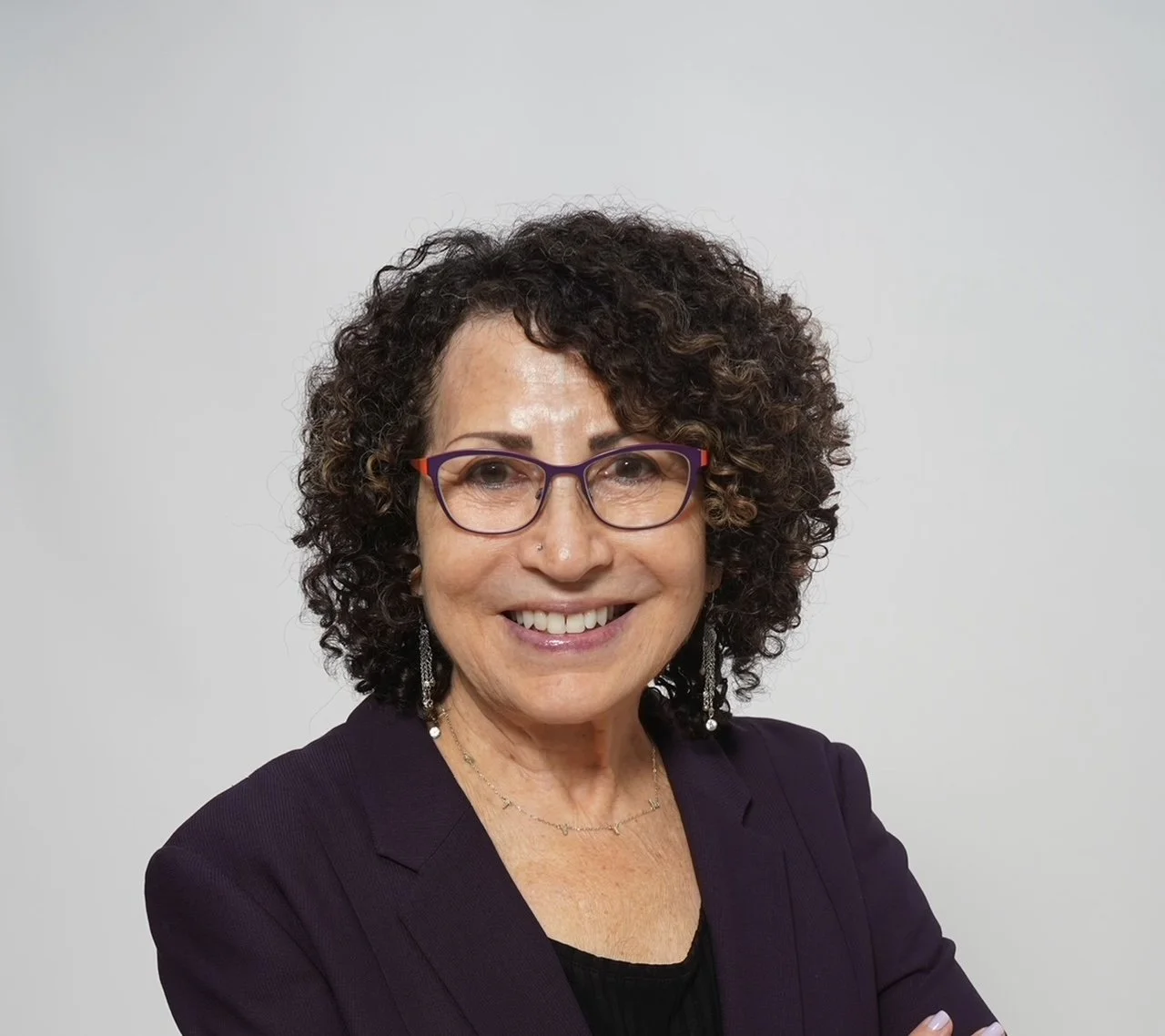
Dr. Susan Feingold is a clinical psychologist, author, advocate, mother and grandmother who has worked in perinatal mental health for more than 30 years. Her own experience with severe postpartum depression helped lead her to specialize in this field.
In addition to her clinical work, Dr. Feingold has advocated for legal reform related to postpartum mental illness. She helped support legislation enacted in Illinois in 2018 and has worked with advocates pursuing reforms in other states, including Massachusetts.
She is the co-author of Advocating for Women with Postpartum Mental Illness: A Guide to Changing the Law and the National Climate and serves on the advisory board of Postpartum Support International.
When to Seek Immediate Help
Postpartum psychosis is a psychiatric emergency. Someone experiencing a loss of touch with reality, including delusions, hallucinations or other significant changes in thinking or behavior, needs immediate professional evaluation.
As Dr. Feingold emphasizes in this episode, families should not rely on someone experiencing psychosis to determine for themselves whether they need hospital care. When there is concern about immediate safety, seek emergency medical assistance.
Resources
Website: Postpartum Support International (PSI)
Helpline (U.S.): 1-800-944-4773
Book: Advocating for Women with Postpartum Mental Illness: A Guide to Changing the Law on a National Level
Available via Amazon and Rowman & LittlefieldWebsite: Dr. Susan Feingold
New York Times article referenced in the episode
(additional context on postpartum psychosis)
Interested in learning more about Postpartum Psychosis?
Listen to our related episodes:
The Illness No One Warned Her About: Surviving Postpartum Psychosis, for a personal perspective
Rewiring Motherhood: Emily Beecher on Navigating Parenthood as a Neurodivergent Mom, for a personal perspective