Postpartum Recovery Shouldn’t Be a Luxury: Rethinking Care After Birth
If you enjoy the podcast, please consider following and leaving a brief review. Your support will help us continue to fulfill our mission of bringing unique perinatal perspectives to a larger audience, so that we can all continue to lift one another up.
LISTEN ON: APPLE | SPOTIFY
Episode Notes
Postpartum recovery is often treated as something optional—something to figure out on your own once the baby arrives.
But the physical and emotional impact of pregnancy and birth is significant. And for many, the support needed to recover well simply isn’t accessible, affordable, or even clearly defined.
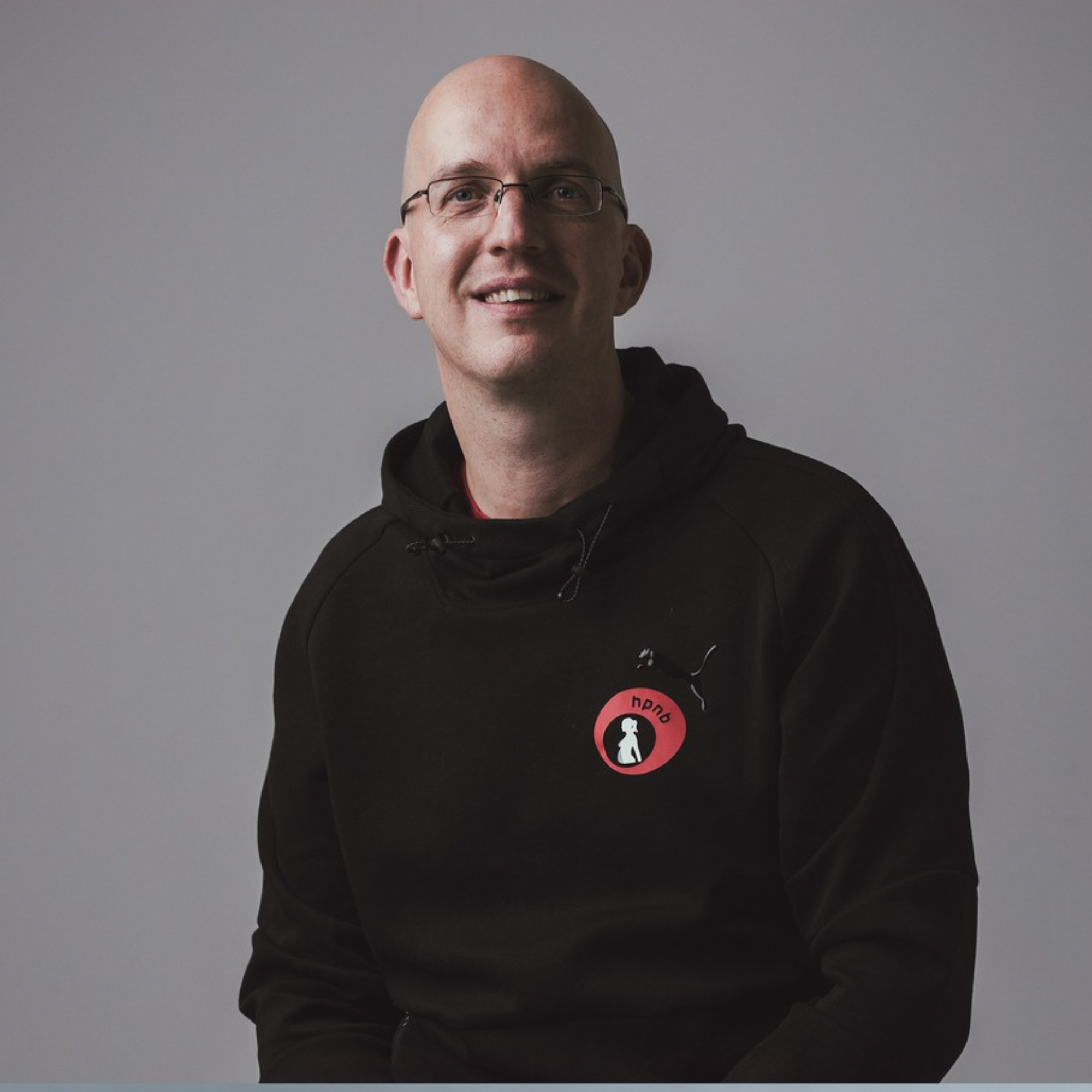
In this episode, Becky speaks with Peter Lap, founder of Healthy Postnatal Body, about what postpartum recovery actually requires—and why so many people are left navigating it without guidance. Together, they explore the gaps in care, the misconceptions we’ve normalized, and what it looks like to approach recovery as a fundamental part of health, not a luxury add-on.
Topics Discussed
What happens physically in the postpartum body—and what’s often overlooked
Why postpartum symptoms like pain, leakage, and weakness are normalized (but shouldn’t be)
What diastasis recti actually is—and why it’s not an “injury”
The role of the pelvic floor in recovery, and when to seek specialized care
Why postpartum support is often inaccessible—and how that impacts long-term health
The emotional and identity shifts that come with becoming a parent
How partners can better support recovery, beyond just helping with tasks
Why recovery isn’t about “getting your body back”—and what to focus on instead
Guest information
Peter Lap is the founder of Healthy Postnatal Body, a platform dedicated to making postpartum recovery more accessible and better understood. Originally working outside of healthcare, Peter transitioned into personal training and quickly recognized a gap in support for postpartum individuals—particularly around physical recovery after birth.
Over the past decade, he has focused his work on postpartum exercise, education, and recovery, with an emphasis on removing barriers to care. His approach centers on providing foundational support early in recovery and making evidence-informed guidance available to as many people as possible.