Building a Field from Scratch: Sharon Covington on Fertility Counseling
If you enjoy the podcast, please consider following and leaving a brief review. Your support will help us continue to fulfill our mission of bringing unique perinatal perspectives to a larger audience, so that we can all continue to lift one another up.
LISTEN ON: APPLE | SPOTIFY
Episode Notes
Fertility counseling is now an established specialty, but just a few decades ago, the field barely existed. In this episode, Becky sits down with Sharon Covington, a pioneer in reproductive mental health who spent more than 35 years developing psychological support services at Shady Grove Fertility. Sharon traces the evolution of fertility counseling alongside advances in reproductive medicine—from the early days of IVF to donor conception, support groups, third-party reproduction, and the increasingly complex questions facing families and clinicians today.
Sharon also shares what it was like to help build a field without an existing roadmap: establishing professional training and resources, developing ethical frameworks as reproductive technology advanced, and creating foundational textbooks for fertility counselors. Along the way, she reflects on what decades of work with patients have taught her about secrecy, donor conception, loss, advocacy, and the importance of integrating mental health into fertility care. The conversation also looks forward, exploring why reproductive mental health professionals must continue learning as both technology and families evolve.
Topics Discussed
The beginnings of reproductive mental health — How advances in IVF created new psychological, relational, and ethical questions alongside new possibilities for building families.
Building fertility counseling as a specialty — Sharon’s early involvement with the mental health professional community within the American Society for Reproductive Medicine and the push to integrate psychological and medical care.
Creating foundational resources for clinicians — Why Sharon and her colleagues developed the Infertility Counseling and Fertility Counseling textbooks and how the books evolved alongside the field.
Learning from patients — How individual cases exposed gaps in care and helped inspire new approaches, resources, support groups, and clinical guidance.
Third-party reproduction and donor conception — The psychological and ethical considerations surrounding donor eggs, donor sperm, gestational carriers, disclosure, and family formation.
DNA testing and family secrets — How consumer DNA testing has changed donor conception by allowing adults to discover previously hidden genetic relationships.
From secrecy to openness — The shift away from advising parents not to disclose donor conception and toward supporting honest, developmentally appropriate family conversations.
Patient advocacy and empowerment — The growing influence of patient organizations and donor-conceived communities in shaping fertility care and policy.
Mental health support inside fertility clinics — How counseling, mind-body programs, and support groups became part of the fertility care model at Shady Grove.
Fertility care during COVID-19 — How telehealth allowed Sharon’s team to continue counseling and expand support groups during an extraordinarily isolating period for fertility patients.
Training the next generation of fertility counselors — Why specialized education, supervision, referrals, and staying current on reproductive technology are essential for clinicians working in this field.
The future of integrated care — Sharon’s concerns about mental health services being deprioritized as fertility practices consolidate and become increasingly focused on the bottom line.
Guest information
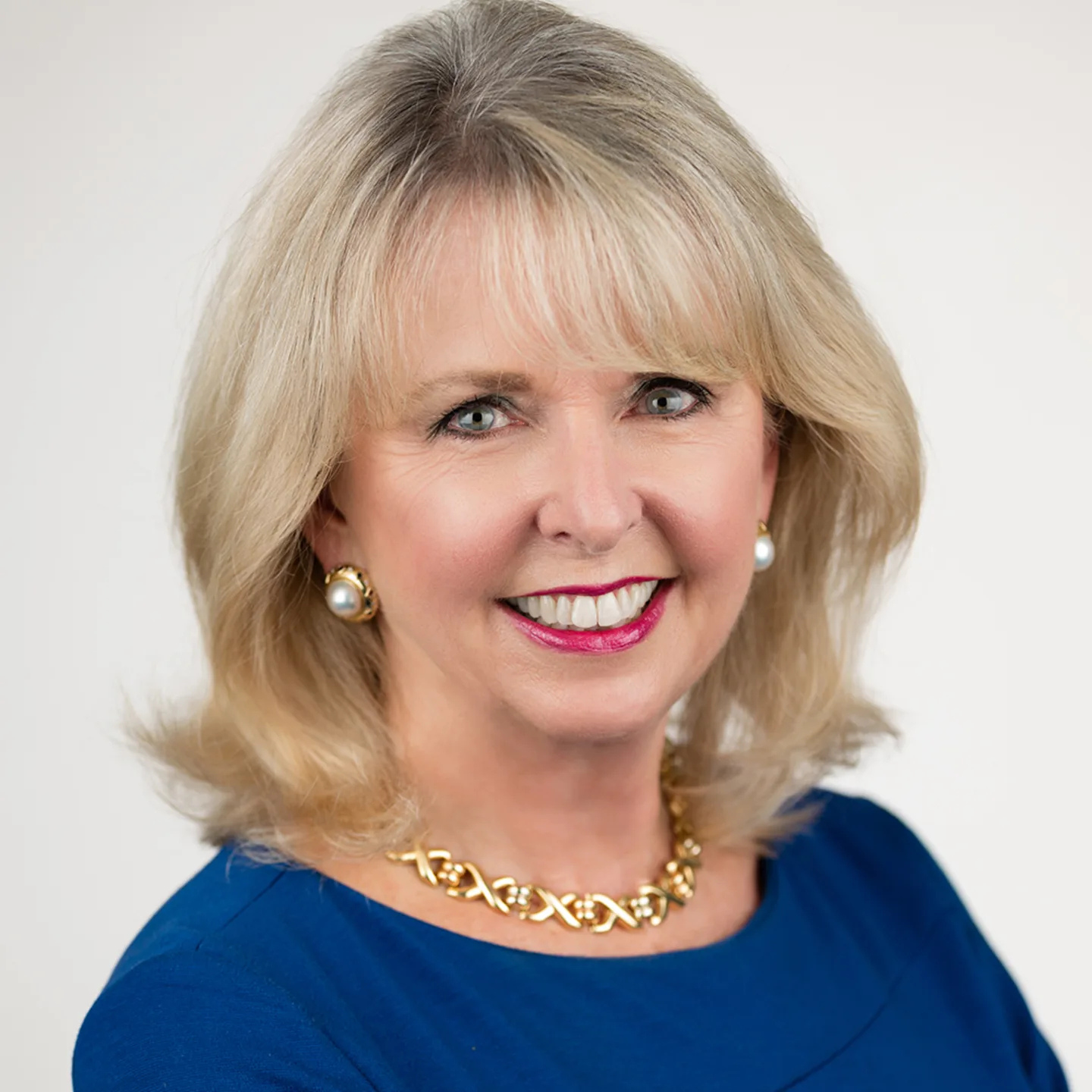
Sharon Covington helped invent a field that didn't exist when she started. Decades before fertility counseling had a name, a curriculum, or a professional home, she was in the room with patients navigating infertility, donor conception, and the emotional weight of reproductive medicine, building the frameworks, ethics standards, and support models that the field now takes for granted. In this episode, Sharon walks us through the early days of reproductive psychology, the moments that convinced her patients needed more than medical care alone, and how she helped shape fertility counseling into the recognized profession it is today. We talk about the cases that changed her thinking, the resistance she faced along the way, and what she still wants the next generation of counselors to understand about sitting with people at some of the hardest moments of their lives.
Episode Resources
This podcast is a labor of love
Our goal is to support our community and reach listeners around the world, as we share perinatal and reproductive perspectives. For those who have reached out asking how to support the work, we’ve added an option through Buzzsprout: any contribution is welcome and will help cover the costs of production.